




Let’s be honest. Creating fresh, high-quality content for every single new social app or content channel is exhausting. It’s like trying to fill a dozen different-shaped buckets from one well—you’re running back and forth, spilling water, and you’re never quite sure which bucket actually needs filling.
That’s where a smart content repurposing framework comes in. It’s not just about recycling old blog posts. It’s a strategic system for extracting the maximum value from your core ideas and reshaping them to thrive on platforms like TikTok, Instagram Reels, LinkedIn audio events, or whatever pops up next month. Think of it as architectural salvage for your content: you take a solid, well-built piece and transform its materials into something new, perfectly suited for a different space.
Why “Repurpose” Beats “Recreate” Every Time
Starting from zero for each platform is a recipe for burnout and inconsistent messaging. A framework gives you agility. When a new platform emerges—be it a short-video hub, an audio network, or a visual discovery engine—you’re not scrambling. You have a playbook. You can test the waters quickly with proven assets instead of gambling on totally untested ideas.
Honestly, it also forces you to think about the core nugget of wisdom in your content. What’s the real takeaway? Once you identify that, you can dress it up for any party.
The Cornerstone: The “Content Atomization” Framework
This is the most powerful mindset shift. Instead of seeing your webinar or whitepaper as one big “thing,” view it as a molecule made up of many smaller atoms. Your job is to split it apart.
Here’s how it works in practice:
- Core Asset (The Molecule): A 45-minute expert interview podcast.
- Atoms Extracted: Key quotes, surprising statistics, short how-to clips, controversial opinions, beautiful visual metaphors mentioned.
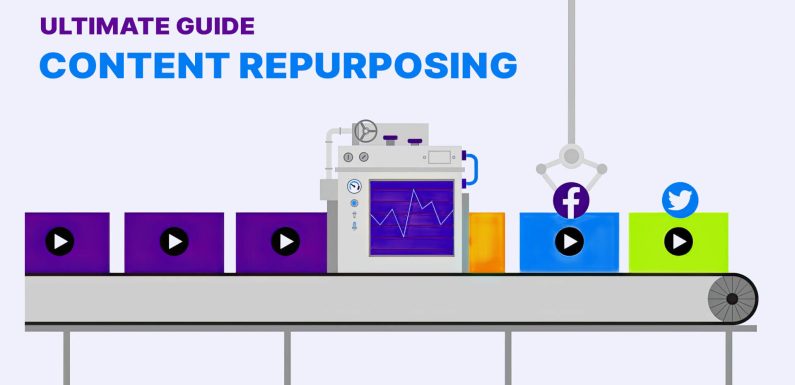
- Platform Deployment: Those atoms become a quote graphic for LinkedIn, a 15-second stat clip for Reels, a longer storytelling video for YouTube Shorts, and a text-based thread on Twitter summarizing the top takeaways.
You’ve created a week’s worth of platform-specific content from one source. And each piece drives back to the full podcast, creating a cohesive ecosystem.
Choosing Your Primary Source Material
Not all content is created equal for this process. The best source material is “deep” – it has layers. Think:
- Long-form blog posts or guides (2,000+ words).
- Webinars or live Q&A sessions.
- Research reports or case studies.
- Podcast episodes with strong narratives.
- Even a detailed internal company memo can work, you know?
The Platform-First Reshaping Strategy
This is critical. You can’t just post a YouTube video to TikTok. Each emerging platform has a native language. Your framework must account for this. It’s less about translation and more about adaptation.
| Platform Vibe | Content Format | Repurposing Tactic |
| TikTok / Reels (Fast, Authentic) | Short-form, vertical video | Pull out a quick tip, a “before/after” demo, or an intriguing hook from your long-form video. Use trending audio if it fits. |
| LinkedIn (Professional, Insightful) | Carousels, documents, text posts | Turn a listicle from your blog into a PDF carousel. Use a podcast quote as a discussion starter. |
| Audio Platforms (Intimate, Conversational) | Podcast clips, audio rooms | Edit your webinar audio into a standalone “chapter.” Use a Q&A segment as a preview for a live audio event. |
| Visual Discovery (Pinterest, IG Stories) | Step-by-step visuals, infographics | Create a step-by-step infographic from a tutorial blog post. Share a process visually. |
The key is to ask: “How does content live here?” Then mold your atom to fit that environment.
The “Evergreen to Trending” Pipeline
This is a sneaky-good framework. You have evergreen cornerstone content—the foundational stuff that’s always relevant. The trick is to use emerging platforms, which often run on trends, to surface that evergreen value.
Say you have a classic guide on “communication skills.” That’s evergreen. Now, a new audio app features a trending conversation about “quiet quitting.” Well, you can repurpose a section of your guide into a hot-take on how communication breakdowns contribute to workplace disengagement. You’ve tied your timeless asset to a timely conversation on a new platform.
It’s a two-way street, honestly. The trend gives your old content new legs. Your substantial content gives the trend conversation more depth.
Operationalizing Your Framework: A Simple Checklist
Okay, so frameworks are great in theory. But how do you make it a habit? Try this sequence:
- Audit & Identify: Each month, pick 1-2 “hero” pieces you’ve created. Label their core atoms.
- Map & Match: List the platforms you’re on (and one new one you’re testing). Match each atom to a platform format.
- Create in Batches: Don’t do one platform at a time. Make all the derivative assets in one focused session. Efficiency wins.
- Schedule & Track: Use your scheduler. But crucially, note which repurposed atom performs best and where. That’s your goldmine for insight.
The Mindset Shift: From Scarcity to Abundance
Perhaps the biggest benefit of a content repurposing framework isn’t just extended reach—it’s psychological. It moves you from a mindset of scarcity (“I have to create something NEW for TikTok today!”) to one of abundance (“I have five great ideas from last week’s article I can use”).
This abundance lets you experiment on emerging platforms with less pressure. You can be playful, test a new feature, or engage in a community trend because the core intellectual effort is already done. The risk is lower. The potential reward—finding a brand new, engaged audience—is huge.
In the end, a smart repurposing strategy isn’t about being lazy. It’s about being relentlessly efficient and deeply respectful of your own work—and your audience’s time. You’re ensuring your best ideas get seen, heard, and felt, no matter where the digital conversation moves next. And that’s not just good marketing; it’s simply good sense.
