



You’re back from the trade show. Your feet hurt, your voice is hoarse, and you’re buzzing with that post-event adrenaline. Then you see it. The lead pile. A mountain of business cards, scribbled notes, and half-filled forms that feels more like a chore than an opportunity.
For days, your team sorts, inputs, and tries to remember which prospect was the “really excited one” from Wednesday afternoon. By the time you finally make contact, the momentum has fizzled. The lead has gone cold. It’s a classic, soul-crushing cycle.
But what if it didn’t have to be this way? What if your team could return from an event with leads already sorted, scored, and automatically funneling into personalized follow-up sequences? That’s the power of trade show lead qualification automation. Let’s dive in.
What is Automated Lead Qualification, Really?
At its core, it’s about replacing manual guesswork with intelligent, data-driven systems. Think of it as hiring a hyper-efficient, data-obsessed assistant for your event team. This “assistant” works in the background, capturing information and instantly applying pre-set rules to answer one critical question: How hot is this lead, and what should we do next?
It moves you from a reactive stance—”Let’s call everyone and see who answers”—to a proactive one. You’re now prioritizing the most promising conversations first, dramatically increasing your chances of conversion.
The Nuts and Bolts: How It Actually Works
Okay, so how does this magic happen? It’s not one single tool, but a process that connects a few key pieces of technology. Here’s the typical workflow for automating lead qualification at events.
Step 1: Smart Capture
Gone are the days of the fishbowl for business cards. Automated capture uses:
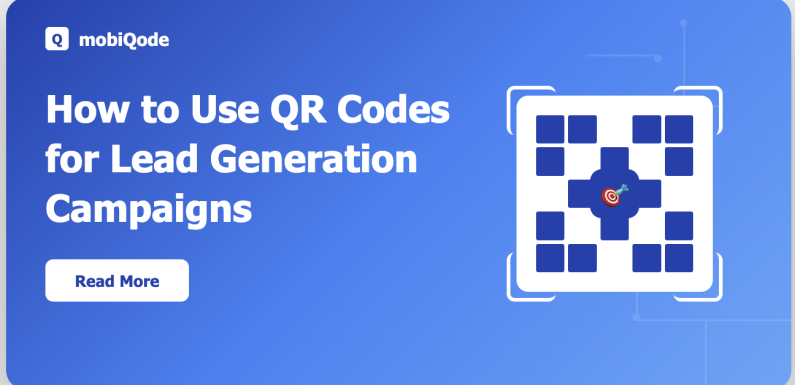
- QR Codes: Unique codes on your literature or booth displays that direct visitors to a specific landing page.
- Badge Scanning: Using apps on a smartphone or tablet to instantly scan the QR code on an attendee’s event badge.
- Interactive Kiosks: Tablets or touchscreens at your booth where visitors can input their own data.
Step 2: Instant Enrichment & Scoring
This is where the real automation kicks in. The moment a lead is captured, the system gets to work. It can:
- Enrich the Data: It pulls in additional information from public sources (like LinkedIn or company databases) to append job title, company size, industry, and more to the basic contact details.
- Apply a Score: Based on the criteria you define, the lead is given a score. For instance, a “Director” or “VP” title might be worth 10 points, while a company in your target industry adds another 15. A visitor who requests a demo might get an instant 50-point boost.
| Qualification Criteria | Example Point Value | Why It Matters |
| Job Title (e.g., C-Level, Director) | 10-25 points | Identifies decision-makers. |
| Company Industry | 5-15 points | Targets your ideal customer profile. |
| Product Interest (e.g., “Enterprise Solution”) | 10-20 points | Shows specific, high-value intent. |
| Requested a Demo/Quote | 50 points | Signals high purchase intent. |
Step 3: Automated Segmentation & Routing
Now, the system sorts the leads into buckets. A lead scoring 75+ points is tagged as “Hot – Contact Immediately” and an alert is sent directly to a sales rep’s phone. A lead scoring between 40-74 might be tagged as “Warm – Nurture Sequence” and enter a multi-email drip campaign. It’s all about getting the right lead to the right person at the right time.
Why Bother? The Tangible Benefits Are Massive
This isn’t just a “nice-to-have.” The impact on your sales process and ROI is profound.
You Follow Up at the Speed of Thought. The biggest advantage? Speed. Studies have shown that contacting a lead within 5 minutes versus 30 minutes makes you 100 times more likely to qualify them. Automation makes near-instant follow-up not just possible, but scalable.
You Maximize Sales Team Efficiency. Your expensive, talented salespeople are no longer wasting time on unqualified leads. They can focus their energy on conversations that are most likely to close. This, in fact, is a huge morale booster.
You Get Richer Data. Instead of just a name and email, you build a robust profile from the start. This allows for hyper-personalized follow-up. Imagine an email that says, “It was great discussing your team’s specific challenges with data integration, Sarah,” instead of a generic “Thanks for stopping by our booth.”
Getting Started Without Overwhelming Your Team
Feeling intimidated? Don’t be. You can start small. Here’s a simple plan.
- Define Your Ideal Lead. Sit down with sales and marketing. What makes a lead “hot”? Agree on 3-5 key criteria for your lead scoring model. Keep it simple at first.
- Choose Your Capture Tool. This could be a dedicated event app, a feature within your existing CRM (like HubSpot or Salesforce), or a simple QR code generator linked to a form.
- Map a Simple Follow-Up Workflow. Create two paths: one for hot leads (immediate call) and one for all others (a 3-email nurture sequence). Most marketing automation platforms make this drag-and-drop easy.
- Test, Refine, and Scale. Run a dry run before the event. Afterward, analyze what worked and tweak your scoring model for next time.
The Human Touch in an Automated World
Here’s a crucial point that often gets lost: automation doesn’t replace human connection; it enhances it. The goal is to automate the tedious, repetitive tasks—the data entry, the initial sorting—so your team has more mental space and time for the part that truly matters: genuine, human conversation.
The magic happens when technology handles the grunt work, freeing up your people to do what people do best—build relationships, understand nuanced pain points, and close deals. It’s about working smarter, not just harder.
So, the next time you pack up your booth, imagine returning not to a pile of business cards, but to a clean, prioritized list of real opportunities. That shift, from administrative chaos to strategic clarity, is well within your reach. The question is no longer if you can automate, but what you’ll do with all the time and momentum you gain when you do.
