


Think about the last brainstorming session in your office. You know the drill. The fast-paced, free-wheeling exchange of ideas. The pressure to think on your feet. For some, it’s an energizing whirlwind. For others—well, for a significant portion of the population—it’s a special kind of torture that silences their best contributions.
That’s the thing. We’ve built corporate cultures that often reward a single, narrow way of thinking and communicating. We’re missing out. Big time. Neurodiversity inclusion programs are the deliberate, structured effort to change that. They’re not about charity; they’re about tapping into a vast, underutilized pool of talent that can drive innovation and solve complex problems.
What Exactly is Neurodiversity? Moving Beyond the Buzzword
Let’s get this straight. Neurodiversity is the idea that neurological differences like autism, ADHD, dyslexia, and others are natural variations in the human brain, not defects. It’s a form of human diversity. Think of it like biodiversity in an ecosystem—a forest is stronger with a variety of trees, plants, and animals, not just one species.
An inclusion program, then, is the practical application of this concept. It’s about creating an environment where people whose brains are wired differently aren’t just hired to fill a quota, but are genuinely supported, valued, and allowed to thrive. It’s shifting from asking “How can we fix this person to fit our mold?” to “How can we adjust our mold to unlock this person’s incredible potential?”
The Unmissable Business Case for Neurodiversity
Okay, so it’s the right thing to do. But let’s be honest, for a program to get real buy-in, it needs to make business sense. And here, the case is overwhelmingly strong.
Innovation and Problem-Solving
Neurodivergent individuals often possess exceptional abilities in pattern recognition, memory, and sustained concentration. They can see solutions and errors that others simply gloss over. A team that thinks in multiple ways is a team that can attack a problem from every conceivable angle. It’s like having a specialized toolkit instead of just a single hammer.
Boosting Retention and Loyalty
When you create a culture where people can be their authentic selves, they stay. It’s that simple. The cost of constant turnover and re-hiring is staggering. Neurodiversity initiatives foster a profound sense of belonging, which is a powerful antidote to the Great Resignation mindset.
A Competitive Edge in Talent Acquisition
In the war for talent, why would you limit yourself to a fraction of the available pool? By actively welcoming neurodivergent candidates, you access a dedicated, highly skilled, and often overlooked demographic. You become an employer of choice for a massive community and their allies.
Building the Program: It’s More Than Just Hiring
So, how do you actually do this? A successful neurodiversity hiring initiative is a full-cycle process, from recruitment to retention. It requires rethinking some of your most basic assumptions.
Rethinking the Recruitment Process
The traditional job interview is a huge barrier. It often assesses social confidence and quick-thinking, not actual job competence. Here are some alternatives:
- Skill-Based Assessments: Instead of “Where do you see yourself in five years?”, give candidates a practical task related to the job. A coding test, a data analysis problem, a writing sample.
- Clear Communication: Provide interview questions in advance. This reduces anxiety and allows candidates to showcase their knowledge, not their ability to perform under social pressure.
- Quiet Interview Spaces: Ditch the loud, distracting coffee shop. Offer a calm, predictable environment.
Cultivating an Inclusive Environment
Hiring is just the first step. Retention is where the real work begins. This is about ongoing support and cultural shifts.
| Support Mechanism | What It Looks Like in Practice |
| Clear, Direct Communication | Avoiding vague instructions and office slang. Providing written summaries of verbal meetings. |
| Flexible Work Options | Offering noise-cancelling headphones, flexible hours, or remote work to manage sensory overload. |
| Structured Mentorship & Buddy Systems | Pairing new neurodivergent hires with a peer who can help them navigate unspoken social and company norms. |
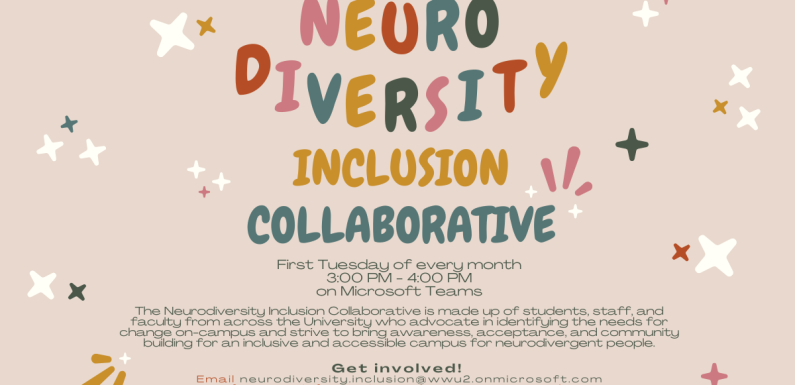
| Neurodiversity ERGs | Employee Resource Groups that provide community, support, and a voice for neurodivergent staff. |
Honest Challenges and How to Navigate Them
Let’s not pretend it’s all easy. Implementing these programs comes with hurdles. The biggest one? Often, it’s a lack of understanding and, frankly, fear among existing staff and management.
Comprehensive training is non-negotiable. It dispels myths, reduces stigma, and equips teams to collaborate effectively. It’s about teaching everyone that a different communication style isn’t a wrong one. Another challenge is the one-size-fits-all approach. Neurodiversity is a spectrum. The accommodations that help an autistic employee might be different from those that help someone with dyslexia. The key is individualized support and open dialogue.
The Future is Neuro-inclusive
We’re standing at a crossroads in how we define talent and productivity. The companies that will lead the next decade are the ones that recognize that cognitive diversity is a strategic asset. It’s the spark for genuine innovation and the foundation of a truly resilient, adaptable organization.
Building a neurodiversity inclusion program isn’t about checking a box. It’s a fundamental shift in perspective. It’s about deciding that you want to build a company where the quiet, meticulous thinker is as celebrated as the charismatic presenter. Where the person who spots the tiny flaw in a thousand lines of code is seen as a hero. It’s about building a workplace that doesn’t just look diverse, but thinks diverse, too. And honestly, what could be more powerful than that?
