


Let’s be honest. For years, customer service has been built on a one-size-fits-all model. It’s a scripted, often rushed, interaction that assumes everyone processes information and communicates in the same way. But here’s the deal: that model is broken. It leaves a huge portion of your potential customers—neurodiverse individuals—feeling frustrated, misunderstood, and frankly, ignored.
Neurodiversity, you know, is the concept that brain differences like autism, ADHD, dyslexia, and others are simply natural variations in the human genome. It’s not about deficits; it’s about different operating systems. And when your service protocols aren’t compatible with those systems, you’re not just failing at inclusion—you’re leaving money and loyalty on the table.
So, how do we fix it? We stop bolting on “accessibility” as an afterthought. We build it into the foundation. This is about developing accessibility-first customer service protocols that don’t just accommodate, but genuinely welcome neurodiverse customers. Let’s dive in.
Why “Accessibility-First” is a Business Imperative
First off, this isn’t just a nice-to-have. It’s a strategic shift. Think of it like building a house with a ramp instead of adding one later. It’s smoother, more integrated, and ultimately works better for everyone. Neurodiverse individuals and their families represent a massive, often overlooked market with significant spending power. Beyond that, protocols designed for cognitive accessibility tend to be clearer, less stressful, and more efficient for all customers. It’s a classic win-win.
Core Pillars of Neurodiversity-Informed Service
Okay, so where do you start? Well, you build on a few key pillars. These aren’t just tactics, they’re mindset shifts for your entire team.
1. Communication Flexibility is King (and Queen)
The phone queue can be a nightmare for someone with auditory processing issues or social anxiety. Relentless live chat pop-ups can overwhelm. A single channel is a barrier. An accessibility-first customer service strategy offers and genuinely promotes multiple contact channels: email, text/SMS, chat (with a no-auto-popup option), phone, and even contact forms. And you have to staff them all effectively—nothing says “we don’t mean it” like a 72-hour email response time.
Train your team to adapt their style. Some customers need direct, literal language—minimize metaphors and idioms. Others might need extra time to type or respond. The goal is to let the customer drive the interaction style.
2. Predictability and Transparency Reduce Anxiety
Uncertainty is a huge source of stress. What’s going to happen when I click “submit”? Who will I talk to? How long will it take? You can ease this by creating clear, step-by-step pathways. Think of it like a map for your service process.
| What to Make Predictable | Practical Protocol Shift |
| Process Steps | Visual flowcharts or numbered lists for complaint, return, or setup processes. |
| Wait Times | Give realistic, specific estimates (“15-20 minutes”) not vague ones (“shortly”). |
| Agent Hand-offs | “I’m passing you to Maria in billing. I’ve given her your case notes, so you won’t need to repeat.” |
| Outcome Scenarios | “Based on what you’ve said, here are the two most likely solutions we can explore…” |
3. Sensory-Aware Environments & Interactions
This applies to physical spaces and digital ones. In a store, is the lighting harsh? Is the music or PA system painfully loud? For digital customer service, your website and support portal are your “space.” Autoplaying videos, cluttered layouts, flashing banners, or chaotic color schemes can be sensory landmines. Offer a “simplified view” option. Use calm, high-contrast color palettes. Honestly, this is low-hanging fruit that makes a world of difference.
Building the Protocols: A Practical Blueprint
Alright, let’s get tactical. How do you turn these pillars into actual, working protocols? It’s a mix of training, tech, and process design.
Agent Training That Goes Beyond Scripts
Forget rigid scripts. Train for principles. Role-play scenarios where the customer communicates differently. Emphasize:
- Patience over pace: Allow for pauses. Don’t interrupt a customer gathering their thoughts.
- Clarity over cleverness: Use plain language. Confirm understanding. “Let me rephrase that to make sure I’ve got it right.”
- Choice over assumption: “Would you prefer I explain this step-by-step, or give you the full overview first?”
Tech Tools That Empower Choice
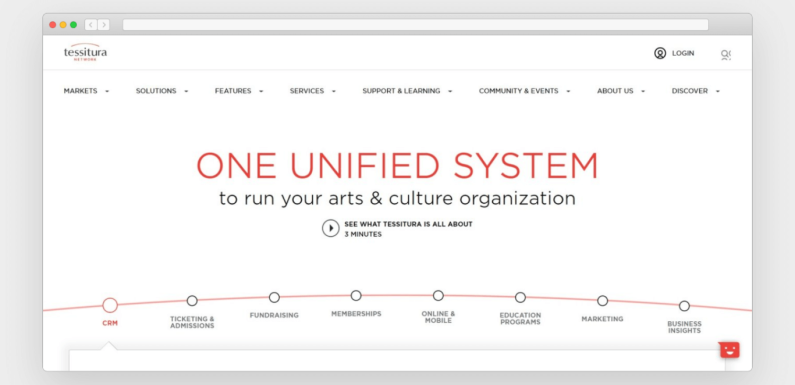
Your CRM and support software need to support these protocols. Key features to demand or develop:
- Detailed Contact Notes (with consent): A secure field to note a customer’s preferred communication style (e.g., “prefers written summary after call”).
- Channel Persistence: If a customer starts a query via email, try to keep it on email unless they request a switch.
- Simple, Clean Knowledge Bases: Offer text-only views, easy-to-navigate headings, and the option to enlarge text without breaking the page layout.
The Feedback Loop: Listen to the Experts
The best insights won’t come from a generic survey. You need to create safe, accessible ways for neurodiverse customers to tell you what’s working. Form a community advisory panel. Offer feedback forms in multiple formats (short video, audio note, text). And crucially, act on that feedback and communicate back what you’ve changed. That builds incredible trust.
The Ripple Effect: Beyond Customer Service
Here’s the fascinating part. When you commit to neurodiverse customer service best practices, the benefits ripple outward. Your marketing materials become clearer. Your product instructions become more intuitive. Your workplace culture becomes more inclusive, because you’re thinking differently about…well, thinking. You start to see friction points you were blind to before.
It’s not about achieving perfection. It’s about building a system that is flexible by design. A system that says, “However you need to communicate, we’re ready.” That’s not just good service. In a world that often feels rigid and overwhelming, that’s a profound gift.
And really, that’s the thought we’re left with. True accessibility isn’t a checklist. It’s a commitment to meeting people where they are, in all their brilliant, diverse humanity. It’s building a door that doesn’t just have a key, but automatically adjusts its width for whoever needs to walk through.
