


Think about the last time you called a customer service line. The frustration of being put on hold. The maze of automated menus. The relief of finally reaching a person who could actually help. Now, imagine navigating that same experience if you were hard of hearing. Or if you had a cognitive disability that made processing rapid-fire instructions difficult. Or if you were relying on a screen reader that couldn’t decipher the company’s help portal.
That’s the reality for millions of people. And honestly, for most businesses, it’s a blind spot. We tend to design customer service for the “average” user—a mythical creature who doesn’t actually exist. An accessibility-first approach flips that script. It’s not about adding a few accommodations as an afterthought. It’s about baking inclusivity right into the DNA of your support strategy from day one. It’s building the ramp before you even open the doors, not as a retrofit.
What Does Accessibility-First Customer Service Actually Mean?
At its core, it’s a mindset shift. It means proactively designing every single customer touchpoint—every channel, every process, every piece of communication—to be usable by people with the widest possible range of abilities. This includes permanent disabilities, sure, but also temporary ones (like a broken arm) and situational limitations (like trying to quietly resolve an issue on a crowded bus).
It’s about moving beyond mere compliance. Sure, you have to meet legal standards, but that’s the floor, not the ceiling. True accessibility-first service is about creating genuinely equitable experiences. It’s the difference between a website that’s technically screen-reader compatible and one that’s actually a pleasure to navigate with a screen reader. The difference is palpable.
The Core Pillars of an Inclusive Support System
Building this doesn’t happen by accident. It requires intention. Let’s break down the key areas you need to focus on.
1. Digital Channels: Your Website and Social Media
Your website is often the first stop. Is it welcoming to everyone? This goes far beyond alt-text for images, though that’s a crucial start.
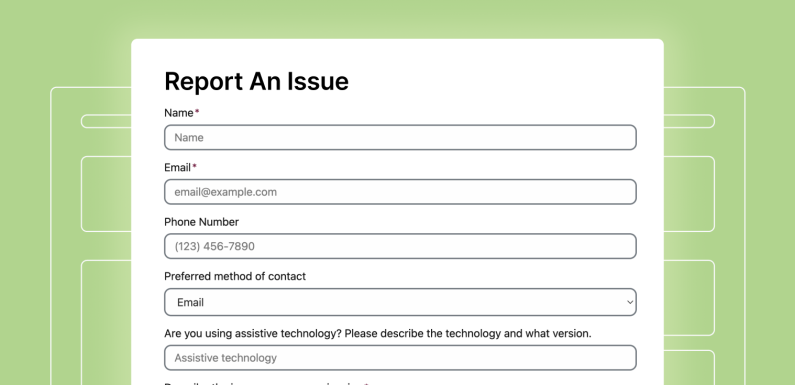
- Keyboard Navigation: Can a user who can’t use a mouse tab through your entire help center and contact forms? This is a fundamental, non-negotiable feature.
- Screen Reader Compatibility: Use proper heading structures (H1, H2, H3), descriptive link text (not just “click here”), and ensure all interactive elements are properly labeled. A jumbled mess of code sounds like… well, a jumbled mess to someone relying on that technology.
- Color and Contrast: Don’t rely on color alone to convey information. And use high contrast ratios between text and background—it helps users with low vision and anyone squinting at their phone in bright sunlight.
- Plain Language: Ditch the jargon and corporate-speak. Write in clear, simple sentences. This benefits everyone, especially people with cognitive disabilities or those who aren’t fluent in your language.
2. The Human Touch: Training and Empathy
Technology is only half the battle. Your support agents are the front line. They need more than a script; they need understanding.
Training should cover how to interact with customers who have various disabilities. For example:
- Speaking clearly and at a moderate pace for those who are hard of hearing.
- Being patient and willing to repeat or rephrase information for someone with a cognitive disability.
- Knowing how to effectively use a Relay Service for the deaf (TRS).
- Understanding that a person’s speech pattern might be different, and that doesn’t reflect their intelligence or understanding.
The goal is to foster an environment where agents feel equipped and empowered to help, not flustered or afraid of saying the wrong thing. It’s about moving from sympathy to practical empathy.
3. Communication Channels: Offering Real Choice
Relying solely on phone support automatically excludes a huge portion of your audience. A robust, accessibility-first strategy offers multiple contact channels. And I mean truly offers them—not hiding the email address in the footer.
| Channel | Accessibility Benefit | Considerations |
| Live Chat | Great for deaf/hard of hearing users, and those who struggle with verbal communication. | Must be keyboard accessible and compatible with screen readers. Offer a non-chat option too. |
| Allows users to communicate at their own pace, perfect for many cognitive and physical disabilities. | Commit to a clear response time. Don’t let emails go into a black hole. | |
| SMS/Text-Based | Simple, direct, and accessible for a wide range of users. | Keep messages concise and actionable. |
| Video Support (with ASL) | Direct access for the Deaf community who use American Sign Language as their primary language. | Partner with a qualified interpretation service. It’s a powerful signal of inclusion. |
Getting Started: It’s a Journey, Not a Destination
This can feel overwhelming. Where do you even begin? You don’t have to boil the ocean. Start with a single, impactful step.
- Conduct an Audit: Use automated tools to scan your website, but more importantly, engage real users with disabilities to test your service channels. Their feedback is pure gold.
- Prioritize by Impact: Fix the barriers that prevent people from completing core tasks, like placing an order or getting help. A broken checkout process is more critical than a slightly off-color contrast on your blog.
- Create a Living Resource: Build an internal wiki or guide for your team that outlines your accessibility policies, available channels, and best practices. Update it constantly.
- Hire Diversely: Include people with disabilities in your support team and in your user testing groups. They provide insights you could never get from a textbook.
And remember, perfection is the enemy of progress. You will make mistakes. A feature might not work as intended. An agent might have an off day. The key is to create a culture where you listen, learn, and iterate. When a customer points out an accessibility barrier, thank them. They’ve just given you a free roadmap to becoming a better company.
The Ripple Effect of Getting It Right
Here’s the secret no one tells you: designing for accessibility doesn’t just help a niche group. It almost always results in a better experience for every single customer. Clear language helps the confused user. Captions on videos help the person watching in a noisy airport. A simple, logical website structure helps the elderly user who isn’t tech-savvy.
It’s the curb-cut effect in action. Curb cuts—those ramps from the sidewalk to the street—were designed for people in wheelchairs. But who else uses them? Parents with strollers, travelers with rolling suitcases, delivery workers with handcarts. In the same way, accessibility-first customer service elevates your entire support ecosystem. It builds fierce loyalty, expands your market reach, and frankly, it’s just the right thing to do.
In a world that often feels like it wasn’t built for them, creating a service experience that truly includes everyone isn’t just a business strategy. It’s a profound form of respect.
